Refill Your Djeep Torch Lighter in Minutes
Have you ever grabbed your Djeep torch lighter only to realize it’s out of fuel? Frustrating, isn’t it? Don’t worry—you’re not alone. The great news is that learning how to refill a Djeep torch lighter is simpler than you might think. In just a few minutes, with the right steps, you can have it working like new. Whether you’re lighting candles or firing up the grill, mastering how to refill your Djeep torch lighter is a handy skill that’ll save you both time and money. Let’s get started and reignite that flame! 🔥
Step-by-Step Guide to Refill Djeep Torch Lighter

Selecting the Right Butane
Choosing the right butane is crucial for your lighter’s performance. Not all butane is created equal, and using low-quality fuel can lead to clogs, uneven flames, or even damage to your lighter. I’ve learned this the hard way, so let me share what works best.
Look for high-purity butane that’s specifically labeled for torch lighters. Brands like Zippo, Colibri, or Ronson are reliable options. These fuels burn cleanly and won’t leave residue behind. Avoid generic or cheap butane cans—they might save you a few bucks upfront, but they’ll ultimately cost you more with poor performance.
Pro Tip: Check the butane can for a nozzle that matches your lighter’s refill valve. Some brands include adapters for different lighter types, which can be a lifesaver.
Step by step
Now that you’ve got the right butane, let’s dive into the actual refilling process. It’s easier than you think, and I’ll walk you through it step by step. Just follow along, and you’ll have your Djeep torch lighter ready to go in no time. 🔥
Turn the flame height adjuster to the lowest setting. This prevents accidental ignition during the refill.
Purge the lighter. Use a flathead screwdriver to press the refilling valve and release any leftover gas. You’ll hear a hissing sound—keep pressing until it stops.
Hold the lighter upside down. This position ensures no air enters the fuel chamber, which can cause sputtering flames.
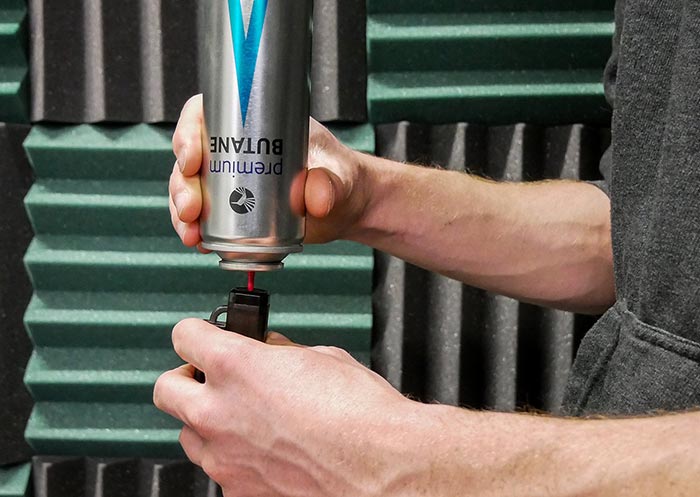
Press the butane can’s stem to the refill valve. Apply steady pressure for 2-3 seconds. Repeat this process 2-3 times to ensure the lighter is fully refilled.
Wait for the butane to settle. Let the lighter sit for about 5 minutes. This allows the fuel to reach room temperature and prevents uneven flames.
Test the flame. Adjust the flame height to your desired level and ignite the lighter. Look for a steady, strong flame. If it sputters, repeat the purge and refill steps.
Safety Reminder: Always refill your butane lighter in a well-ventilated area. Butane fumes can be harmful if inhaled.
By following these steps, you’ll refill your Djeep torch lighter like a pro. It’s quick, easy, and ensures your lighter stays reliable for all your needs. Whether you’re lighting a campfire or a birthday candle, you’ll be ready to go. 😊
Related:
Comprehensive Review of Jobon Torch Lighters
Can You Light a Cigarette with an Iron
Tools and Safety Precautions

Essential Tools for Refilling
Before refilling your Djeep torch lighter, it’s important to gather the right tools. Trust me, having everything ready makes the process smoother and safer. Here’s what you’ll need:
Butane refill can: Choose a high-quality brand for the best results. Low-grade butane can clog your lighter and reduce its performance.
Flathead screwdriver or small tool: This helps with purging the lighter before refilling.
Protective gloves: These keep your hands safe from accidental spills or cold burns caused by butane.
Clean cloth or paper towel: Use this to wipe away any excess butane after refilling.
Having these tools on hand ensures you’re prepared for a quick and hassle-free refill. Plus, it minimizes the risk of accidents. 🛠️
Safety Tips to Follow
Safety is key when working with a butane lighter. Butane is highly flammable, so taking precautions is non-negotiable. Here are some tips I always follow:
Turn off the lighter completely and make sure no gas is flowing before you start.
Let the lighter cool down for at least five minutes if it’s been recently used. Refilling a hot lighter can be dangerous.
Invert both the lighter and the butane refill can vertically during the refill. This prevents air from entering the lighter and ensures a proper fill.
Apply steady pressure for no more than 3-5 seconds. Overfilling can cause leaks.
Store your tools and butane refill can in a cool, dry place. Avoid direct sunlight, as heat can increase pressure inside the canister.
Use protective caps on both the lighter and the refill can when not in use.
Following these steps keeps the process safe and efficient. It’s all about being cautious and taking your time. After all, a little care goes a long way. 🔒
Preparing to Refill Your Djeep Torch Lighter
Why Purging Is Necessary
Purging your lighter is essential for a safe and effective refill. Here’s why: Over time, air and leftover butane can build up inside the lighter’s fuel chamber. This trapped air creates pressure, which can block the new butane from entering properly. If you skip purging, you might end up with a lighter that sputters or doesn’t ignite at all. Trust me, I’ve been there—it’s frustrating!
Think of purging as hitting the reset button for your lighter. It clears out the old gas and makes room for the fresh butane to flow smoothly. Plus, it reduces the risk of leaks or uneven flames. So, before you grab that butane can, take a moment to purge your lighter. It’s a small step that makes a big difference. 🛠️
Pro Tip: Always purge your lighter in a well-ventilated area. This keeps you safe from inhaling any leftover gas.
How to Purge Your Lighter Correctly
Now that you know why purging is important, let’s get into the step-by-step process. Don’t worry—it’s quick and easy. Here’s how I do it:
Choose a safe spot. Work in a well-ventilated area, like near an open window or outside. This prevents irritation from butane fumes.
Set up your workspace. Place your lighter on a flat, sturdy surface. This keeps it stable and reduces the chance of spills.
Cool it down. If you’ve recently used your lighter, let it cool for at least 30 minutes. Refilling a hot lighter can be dangerous.
Lower the flame. Use a small screwdriver to adjust the flame height to its lowest setting. This step ensures you don’t accidentally ignite the lighter during purging.
Release the gas. Press the refilling valve with a flathead screwdriver or similar tool. You’ll hear a hissing sound as the remaining gas escapes. Keep pressing until no more gas comes out.
And that’s it! Your lighter is now purged and ready for a fresh refill. 🎉
Safety Reminder: Never point the lighter toward your face or body while purging. Always keep it angled away from you.
By following these steps, you’ll ensure your Djeep torch lighter is in perfect shape for refilling. It’s a simple process, but it makes all the difference in keeping your lighter reliable and safe to use. 🔥
Post-Refill Testing and Maintenance

Testing Your Lighter After Refilling
Testing your butane lighter after refilling is essential to ensure it works properly. I always do this step to avoid surprises later. Here’s how you can test it:
Adjust the flame height. Turn the flame adjuster to your preferred level. I usually start with a medium setting to check the flame’s stability.
Ignite the lighter. Press the ignition button and watch the flame. It should be steady and strong. If it sputters or doesn’t light, repeat the purge and refill steps.
Test for leaks. Hold the lighter close to your ear and listen for any hissing sounds. If you hear gas escaping, stop using the lighter immediately and check the refill valve.
Pro Tip: Always test your butane lighter in a safe area, away from flammable materials. This keeps you and your surroundings safe.
Testing takes less than a minute, but it gives you peace of mind knowing your lighter is ready for action. 🔥
Maintenance Tips for Long-Term Use
Proper maintenance keeps your butane lighter reliable for years. I’ve learned that a little care goes a long way. Here are my top tips:
Clean the nozzle regularly. Use a small brush or compressed air to remove debris. A clogged nozzle can affect the flame’s performance.
Store it properly. Keep your lighter in a cool, dry place. Avoid exposing it to extreme heat or moisture, which can damage the fuel chamber.
Use high-quality butane. Cheap fuel can clog the lighter and reduce its lifespan. Stick to trusted brands for the best results.
Check the refill valve. Inspect it for wear and tear. If it looks damaged, replace it to prevent leaks.
Purge before every refill. This step ensures the lighter stays efficient and prevents air buildup.
Quick Tip: If your lighter starts acting up, don’t toss it right away. Sometimes, a simple cleaning or purge can fix the issue.
By following these maintenance tips, your butane lighter will stay in top shape. Whether you’re lighting a grill or a campfire, you’ll always have a reliable flame. 😊
Refilling your lighter doesn’t have to be complicated. With the right tools and steps, the process is quick and easy. I always make sure to prioritize safety, like working in a ventilated area and using high-quality butane. These small precautions go a long way in keeping your lighter reliable.
Regular maintenance is just as important. Cleaning the nozzle and purging before every refill keeps your lighter performing at its best. Trust me, when you take care of your lighter, it’ll take care of you. So, grab your tools, refill your lighter, and enjoy a steady flame whenever you need it! 🔥
FAQ
What should I do if my lighter still doesn’t work after refilling?
Check for common issues. Here’s what I recommend:
Purge the lighter again to remove trapped air.
Ensure you’re using high-quality butane.
Clean the nozzle with a small brush.
If it still doesn’t work, the lighter may need professional repair. 🔧
How often should I refill my Djeep torch lighter?
It depends on usage. If you use it daily, you might need to refill every 1-2 weeks. For occasional use, it could last months. Keep an eye on the flame size—when it gets weak, it’s time to refill. 🔥
Is it safe to refill my lighter indoors?
Only if the area is well-ventilated. Butane fumes can be harmful, so I suggest refilling near an open window or outside. Avoid doing it near open flames or heat sources for safety. 🚨
How do I know when my lighter is full?
Stop refilling when you see butane leaking. Apply pressure for 2-3 seconds at a time. If you notice excess fuel escaping, your lighter is full. Let it settle for a few minutes before testing.